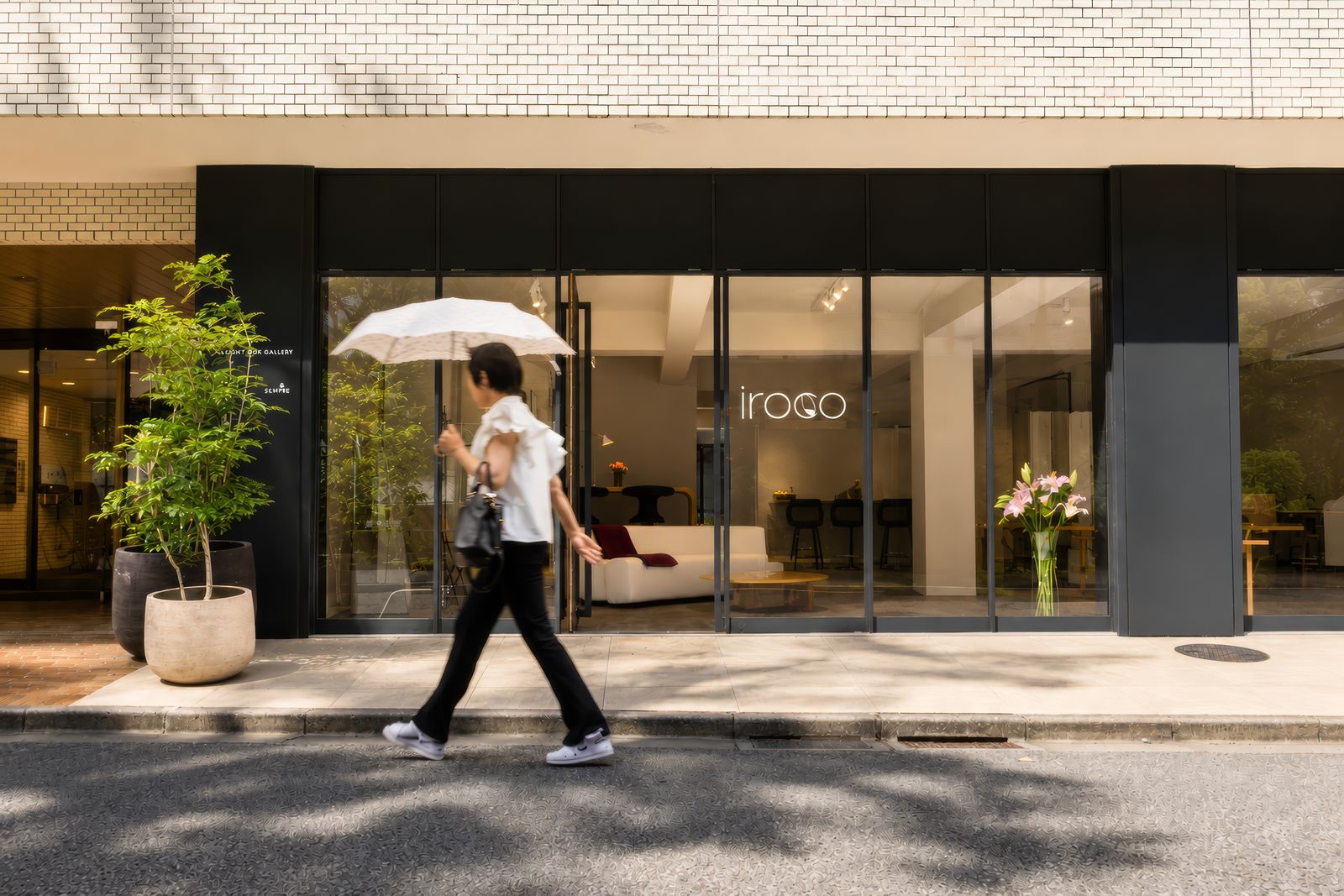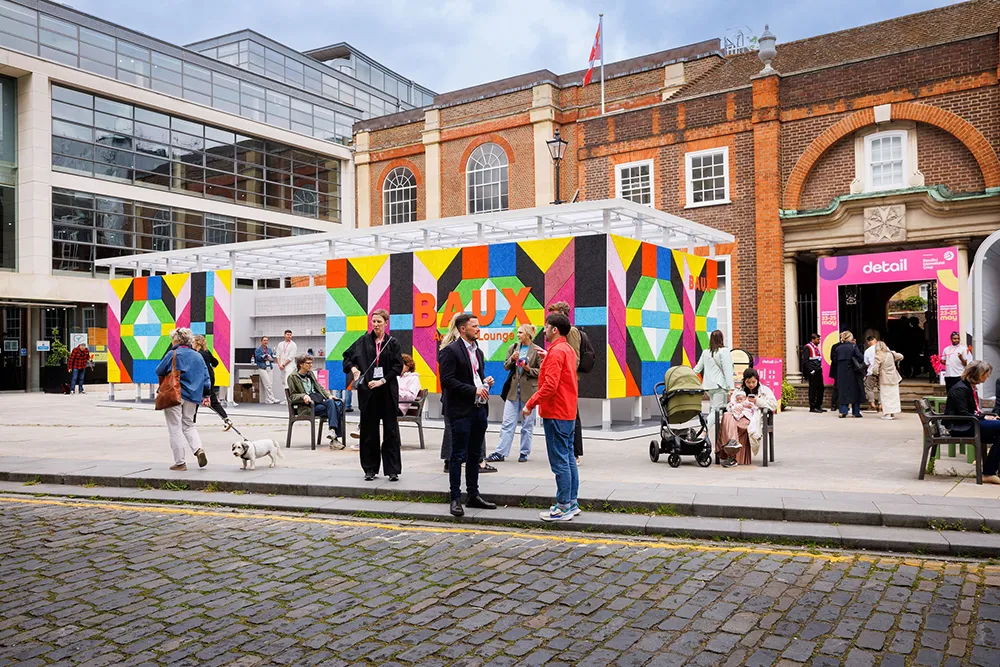
Each year brings a new wave of interior design predictions; colours of the year, material revivals, stylistic statements. Yet for architects, developers, and operators, trends only matter when they enhance the way a space operates and is experienced. In 2026, the most meaningful shifts are not decorative. They are structural.
Across major design platforms and trade publications, one theme consistently emerges: design is becoming quieter, warmer, and more intentional. But more importantly, it is becoming more integrated.
From Individual Pieces to Integrated Systems
One of the clearest changes in commercial interiors is the move away from selecting individual furniture pieces toward specifying integrated systems. Rather than choosing a chair, sofa, and table independently, designers are increasingly selecting entire product families. Modular seating collections, unified material palettes, and scalable lounge systems allow spaces to evolve without requiring redesign.
Clients are asking more practical questions:
Will this collection still exist in five years?
Can we expand this layout later?
Will new pieces match what we specify today?
Longevity and continuity are shaping specification decisions just as much as aesthetics.
Warm Minimalism and Tactile Surfaces
Visually, 2026 interiors remain calm, but they are far from cold.
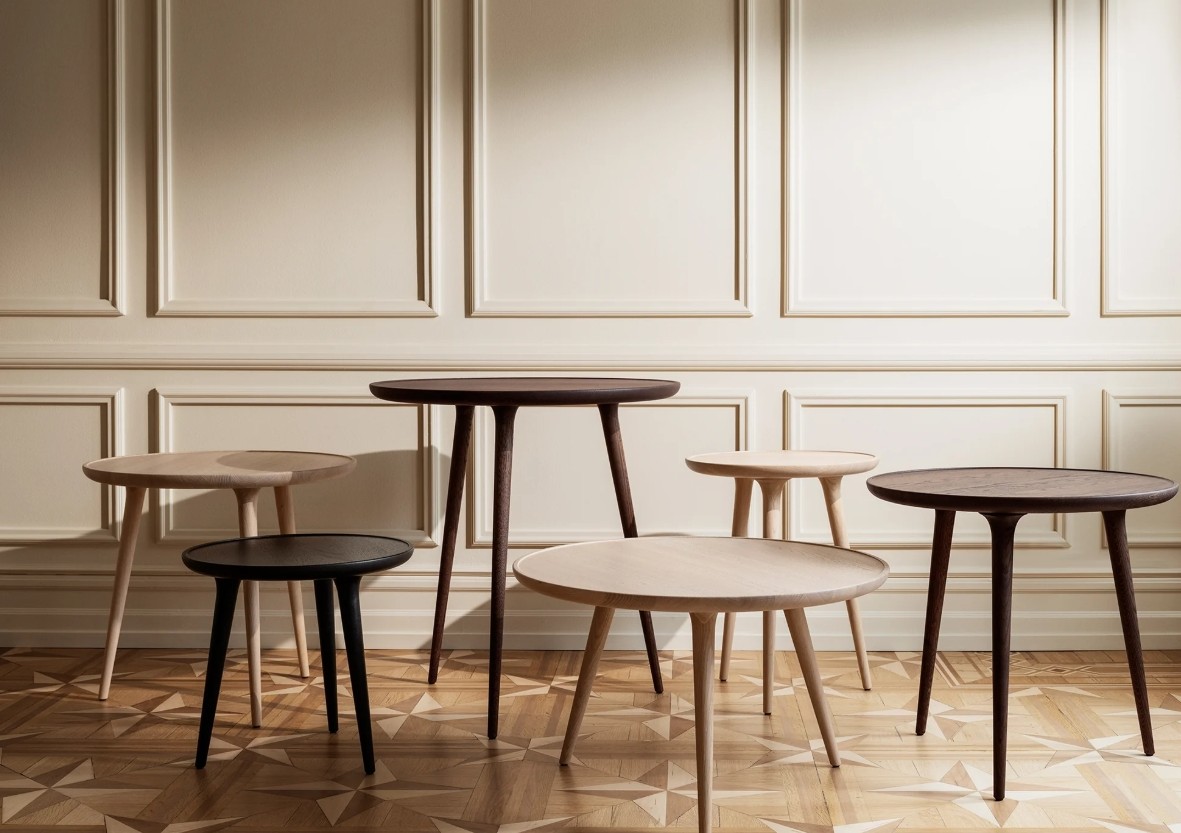
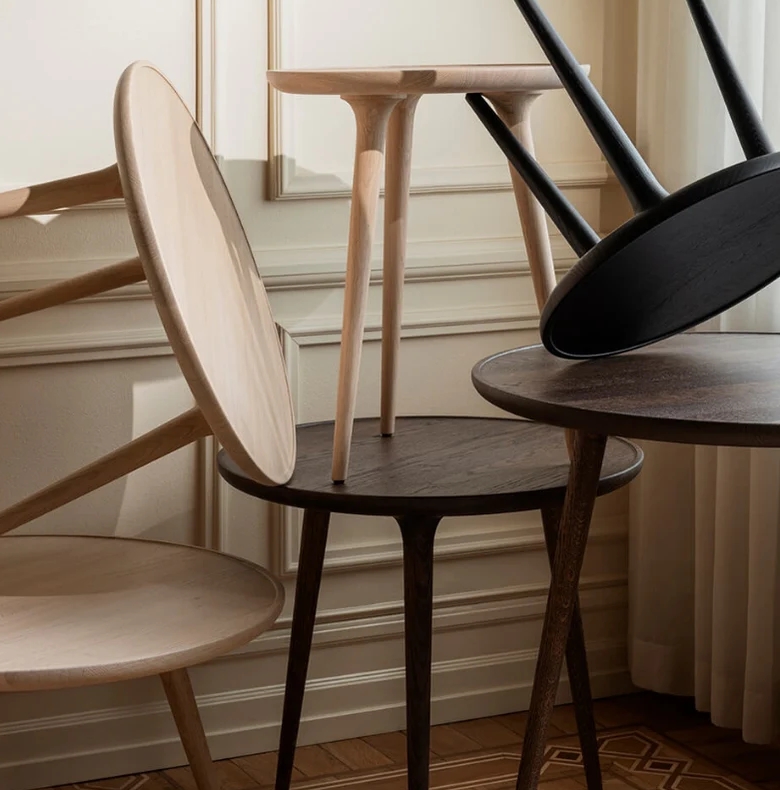
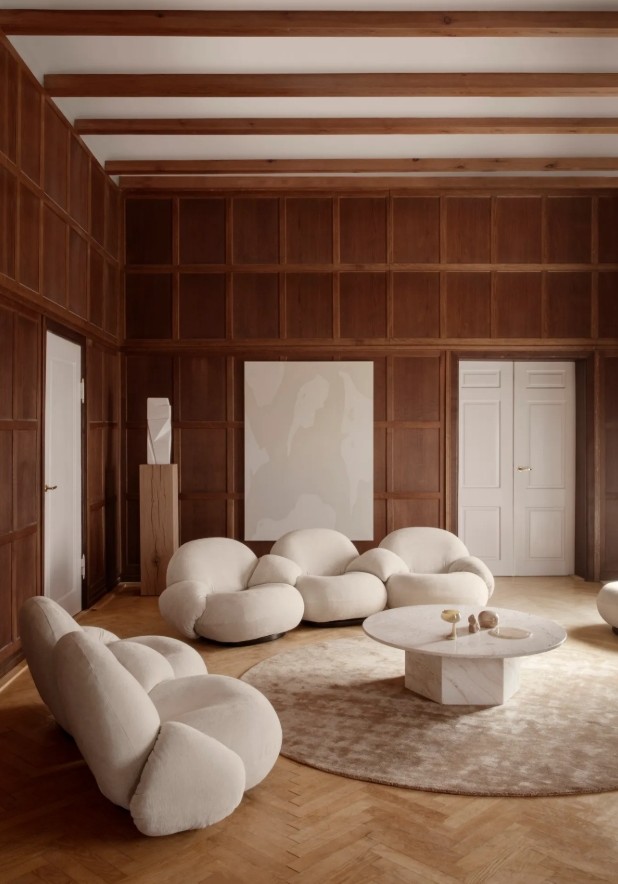
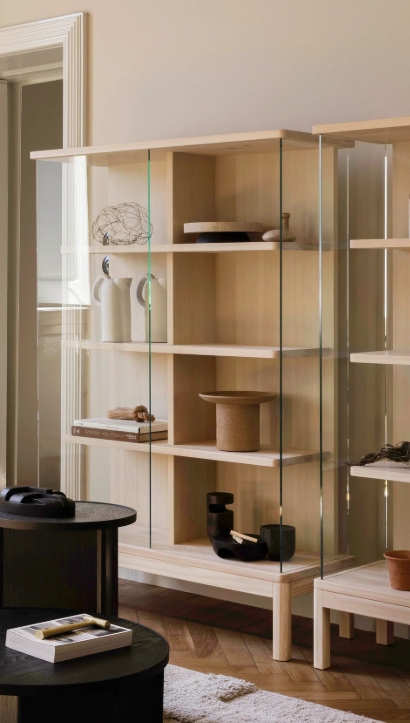
The minimalism of previous years is softening into what many industry commentators now describe as warm minimalism. Neutral palettes remain dominant, yet texture replaces contrast as the primary design tool. Bouclé upholstery, textured fabrics, brushed finishes, and mineral surfaces introduce depth without visual noise. Warm woods, particularly oak and walnut tones, are reappearing as grounding elements in both hospitality and office environments. Quiet-toned metals are also becoming increasingly prominent. Instead of high-polish chrome or bold brass, designers are opting for brushed champagne finishes, soft bronze, and satin nickel. These metals subtly brighten interiors without overwhelming them, reflecting light gently across surfaces. Glass is another recurring material across 2026 trend reports. Fluted partitions, sculptural glass tables, and translucent elements introduce lightness while maintaining architectural clarity.
Pure Geometries and Collectible Identity
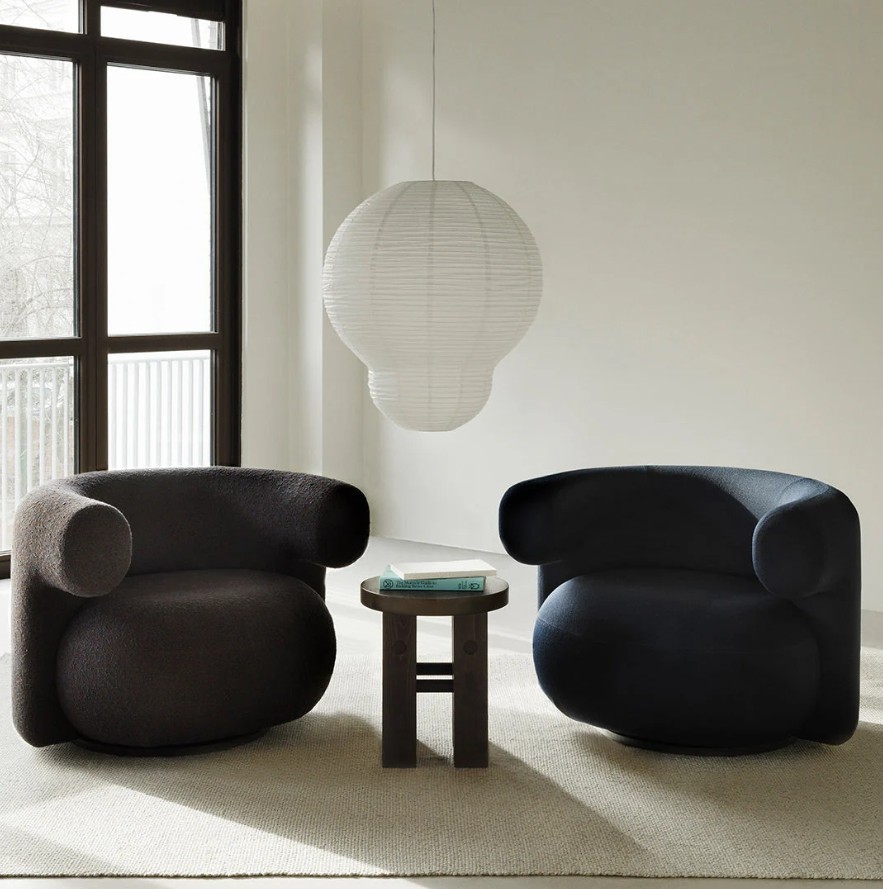
While interiors remain composed and minimal, they are no longer anonymous. A parallel movement toward sculptural, collectible pieces is emerging, particularly in hospitality and residential amenity spaces. A distinctive lounge chair, a rounded table form, or a statement lighting piece anchors the space and expresses identity.
Pure geometries dominate: softened rectangles, circular tables, curved seating silhouettes. These shapes bring visual calm while allowing select elements to stand out. Commercial spaces are becoming more expressive but through strategy and proportion and form rather than decoration.
Hospitality Thinking Across All Sectors
Perhaps the most influential shift is the continued spread of hospitality thinking into other environments. Offices increasingly resemble lounges. Residential lobbies feel like boutique hotels. Even educational and mixed-use developments are integrating café-style seating and informal gathering areas. This shift demands furniture that balances comfort with durability. Residential in feeling, commercial in performance.
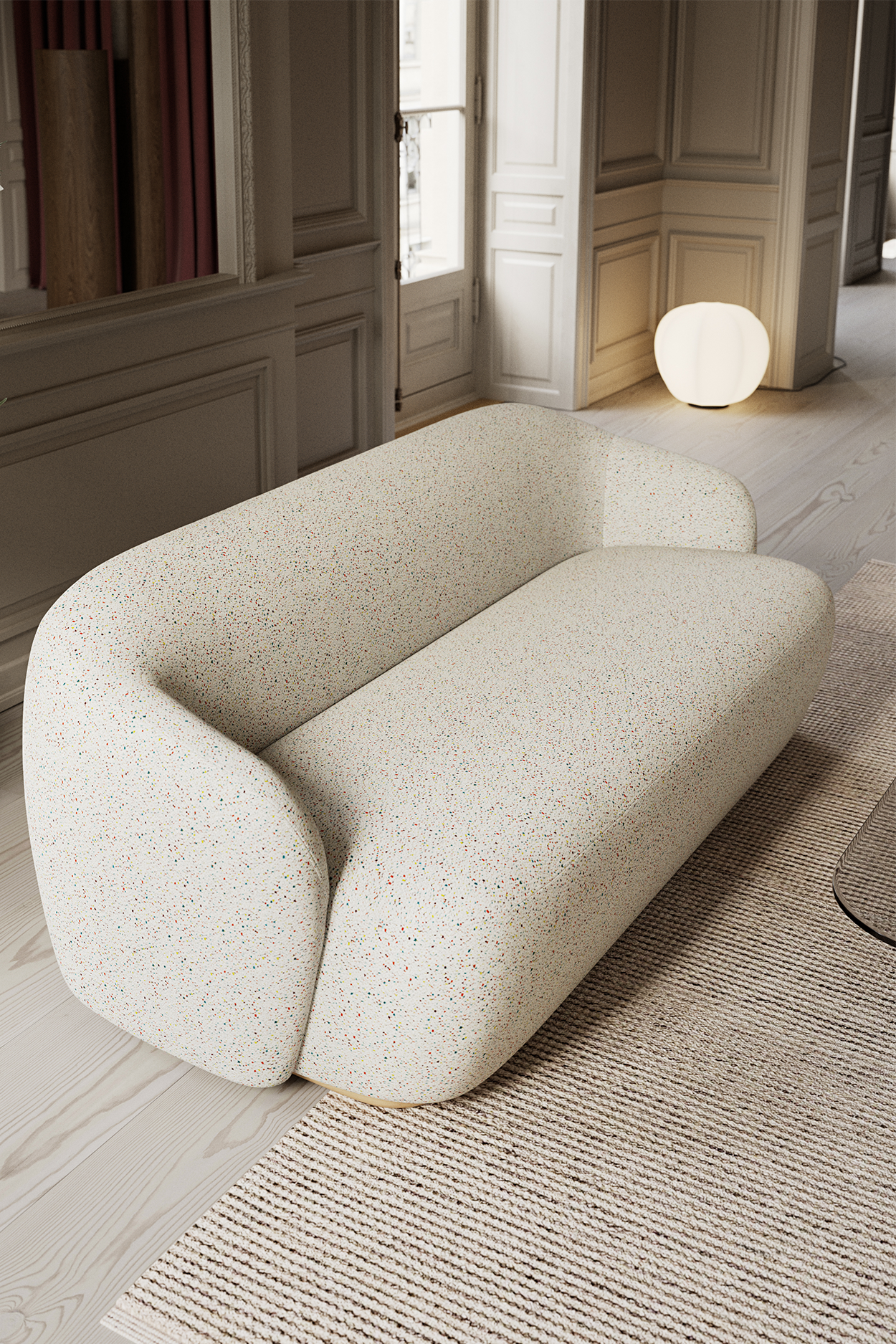
The defining characteristic of 2026 is warm minimalism and calm balance.
Successful projects are no longer those that follow a trend most visibly. They are those where design intent, furniture selection, and long-term planning support one another from the beginning.
Warm woods. Quiet metals. Glass partitions. Tactile fabrics. Pure geometries.
These elements shape the visual language of the year.
But what truly defines 2026 is not a colour or material. It is a more deliberate integration between design vision and practical execution.